Introduction
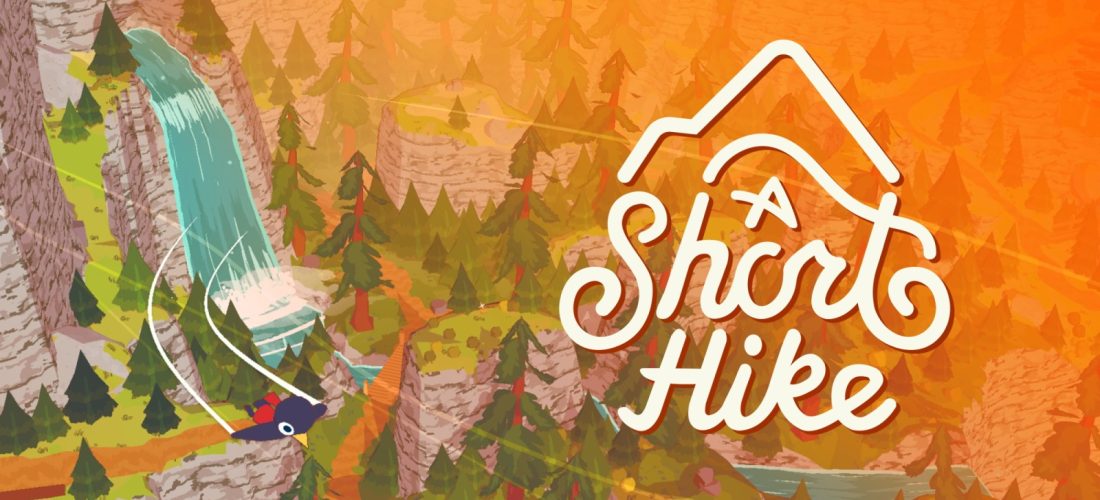
A Short Hike is a Zelda-like game that focuses on the gameplay experience above all else. Through its sense of magic, the game makes the player value the journey more than the destination and genuinely enjoy it. In this review, we want to explore how the game achieves this.
Story
The story follows a bird girl named Claire who travels to Hawk Peak Provincial Park, where her aunt works as a ranger, for a vacation. Upon arrival, she discovers there’s no phone signal on the island, and her aunt tells her she’ll need to climb to the top of the mountain to get reception. Claire, who is waiting for an important call, sets off toward the summit. But the story here is merely a pretext; the real magic of the game lies in its gameplay.
Gameplay Overview
A Short Hike draws heavily from The Legend of Zelda: Breath of the Wild for its gameplay design. In Breath of the Wild, the final goal is established right from the start, yet the player is free to reach it however they choose. A Short Hike follows the same philosophy; the game establishes its ultimate goal, reaching the summit, from the outset, but encourages players to explore the island by placing side activities, various characters, and diverse rewards along the way.
At first, the game teaches you its simplest mechanics through conversations with NPCs. As you explore, you also gain new abilities, often introduced through signs that explain how to use them. For example, in one part of the game, there’s a sign next to a water bucket and a small spring explaining how the bucket works; the game teaches its mechanics without relying on lengthy tutorial screens.
To continue toward the summit, the player needs to collect more feathers. The game uses this as a way to encourage exploration of the island, presenting the player with various side quests along the way. For instance, the player encounters someone who asks them to find their lost watch. Numerous side quests and mysterious points of interest are scattered closely together across this small island, naturally drawing you to explore your surroundings rather than rush toward your destination.
One of the most compelling reasons exploration feels so satisfying in this game is its reward system. The journey itself feels valuable because the game consistently offers rewards along the way; these can be feathers, coins, or new abilities like a compass. This is what makes exploration rarely feel pointless, since a reward is almost always waiting for the player somewhere.
The level design also includes shortcuts that make traversing the map much easier, and unlocking these shortcuts requires further exploration. For example, there are tunnels in the game that the player initially cannot enter, but by exploring and obtaining a pickaxe, these tunnels can be opened. As a result, exploring the environment isn’t limited to just finding new items; it sometimes opens up entirely new paths for the player as well. This style of shortcut design strongly reminded me of the shortcuts in the original Dark Souls.
Despite its small size, the island offers solid environmental variety that keeps the player from feeling fatigued during their adventure. This variety can be seen across the island’s coastal, forest, and snowy regions. The weather in the snowy region also affects gameplay; for example, when the player enters that area, their used feathers freeze and must be warmed near hot springs or fires before they can be used again.
Visual Customization
One of the game’s appealing features is its graphics settings. Players can adjust how pixelated the image appears in the settings. For instance, the pixels can be scaled down small enough that the game no longer resembles classic pixel art at all. The game also performs well, and I didn’t run into any particular issues throughout my playthrough.
Conclusion
A Short Hike may seem simple on the surface, but through its clever design, it turns reaching the summit into nothing more than an excuse for exploring the island. Smart level design, varied side quests, engaging mini-games, diverse environments, and a well-balanced reward system all keep exploration feeling consistently rewarding. A Short Hike proves that a large world isn’t always necessary to create a memorable experience. Sometimes, a small, content-rich island with carefully crafted level design can leave a more lasting impression than far bigger titles.